
Search

Ashwagandha Research on Stress & Cortisol

In today’s fast-paced world, stress has become a regular part of daily life. Deadlines, responsibilities, and constant connectivity can take a toll on mental and physical health. While lifestyle strategies like exercise, meditation, and sleep are crucial, many people are also looking for natural supplements to help manage stress more effectively. One such supplement gaining attention is Ashwagandha, a traditional herb from Ayurvedic medicine, long celebrated for its calming and restorative properties.

Recent scientific research is now validating what traditional medicine has suggested for centuries: Ashwagandha may help regulate the body’s stress response by affecting cortisol, the hormone responsible for stress regulation.

What is Ashwagandha?

Ashwagandha, also known as Withania somnifera, is classified as an adaptogen. Adaptogens are natural compounds that help the body maintain balance and adapt to stress. Unlike stimulants or sedatives, adaptogens work gently, supporting the body’s own systems rather than artificially altering them.

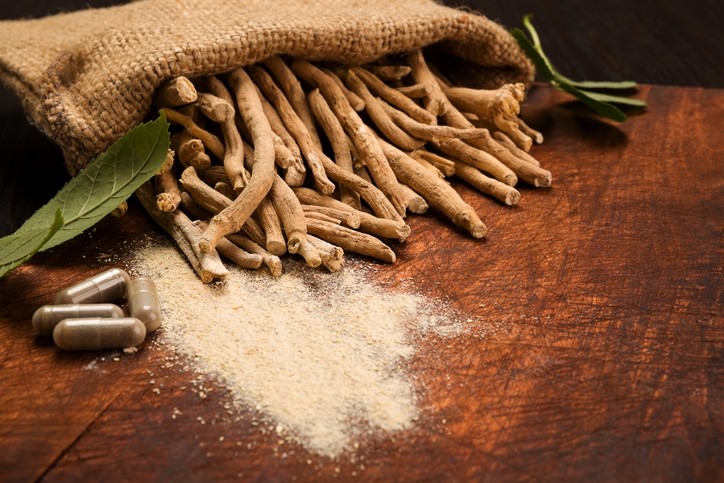
Traditionally, Ashwagandha has been used to improve energy, enhance mental clarity, promote calm, and support overall wellness. Today, it is widely available as a dietary supplement in various forms, including capsules, powders, and tinctures.

Understanding Cortisol and Stress

Cortisol is a hormone produced by the adrenal glands and plays a key role in how the body responds to stress. While cortisol is essential for normal body function, elevated or prolonged levels due to chronic stress can negatively affect mood, energy, and overall health. Reducing excessive cortisol levels can help the body maintain balance and improve overall well-being.

This is where Ashwagandha comes in. Researchers have investigated how this adaptogenic herb may support cortisol regulation in stressed individuals, providing a scientific basis for its traditional use.

The Study Setup

A recent systematic review examined the effects of Ashwagandha on cortisol levels in stressed human participants. The review analyzed 9 clinical studies where participants took Ashwagandha supplements over periods ranging from 30 to 112 days.

The studies included adults experiencing stress due to work, lifestyle, or other factors. Participants were monitored for changes in cortisol levels, measured either in blood or saliva. Different doses and formulations of Ashwagandha were tested, allowing researchers to observe the herb’s effects across a variety of conditions.

What the Research Found

The findings across the studies were consistent and encouraging: Ashwagandha supplementation was associated with significant reductions in cortisol levels. Reported reductions ranged from approximately 11% to 32% from baseline.

Some studies indicated a dose-dependent relationship, meaning that higher doses of Ashwagandha led to larger decreases in cortisol. This suggests that dosage and formulation may influence the degree of stress relief experienced by participants.

Importantly, participants generally tolerated Ashwagandha very well, with no serious adverse effects reported during the study periods. This supports its use as a safe, natural option for stress support.

Why These Findings Matter

Lowering cortisol through natural means can have multiple benefits. By helping the body respond more effectively to stress, Ashwagandha may support:

  • Calm and relaxation: Reducing the physiological response to stress can help improve mood and mental clarity.
  • Energy balance: Proper cortisol regulation helps maintain energy levels throughout the day.
  • Overall wellness: Supporting stress management can have positive effects on sleep, focus, and daily performance.

For people who feel the effects of daily stress, Ashwagandha may offer a natural, science-backed way to help the body regain balance and resilience.

To learn more about Ashwagandha, explore the scientific research, and discover other functional mushrooms, visit our Research Hub for more information!

Ashwagandha and Its Recent Health Claims

As more research continues to come out on functional mushrooms, it’s important to keep up to date with what they are finding and what their conclusions are. In this blog post we are going to look at a few studies done on Ashwagandha.

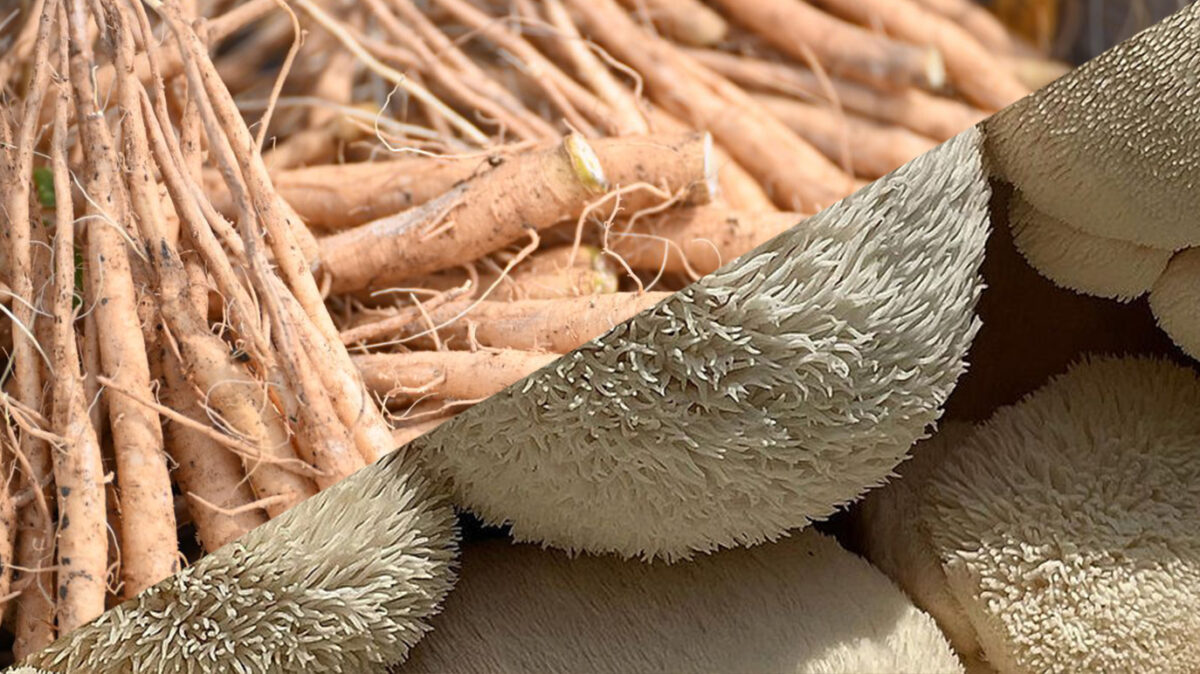
Ashwagandha vs. Lions Mane, Learn Their Key Differences.

In the world of mushroom supplementation Ashwagandha and Lion’s Mane are two very popular choices for mushroom supplementing. They both provide significant but unique health benefits and in this article we will explore their key differences, both in make-up and the health benefits they provide.

Understanding Ashwagandha – “King of Ayurvedic herbs”

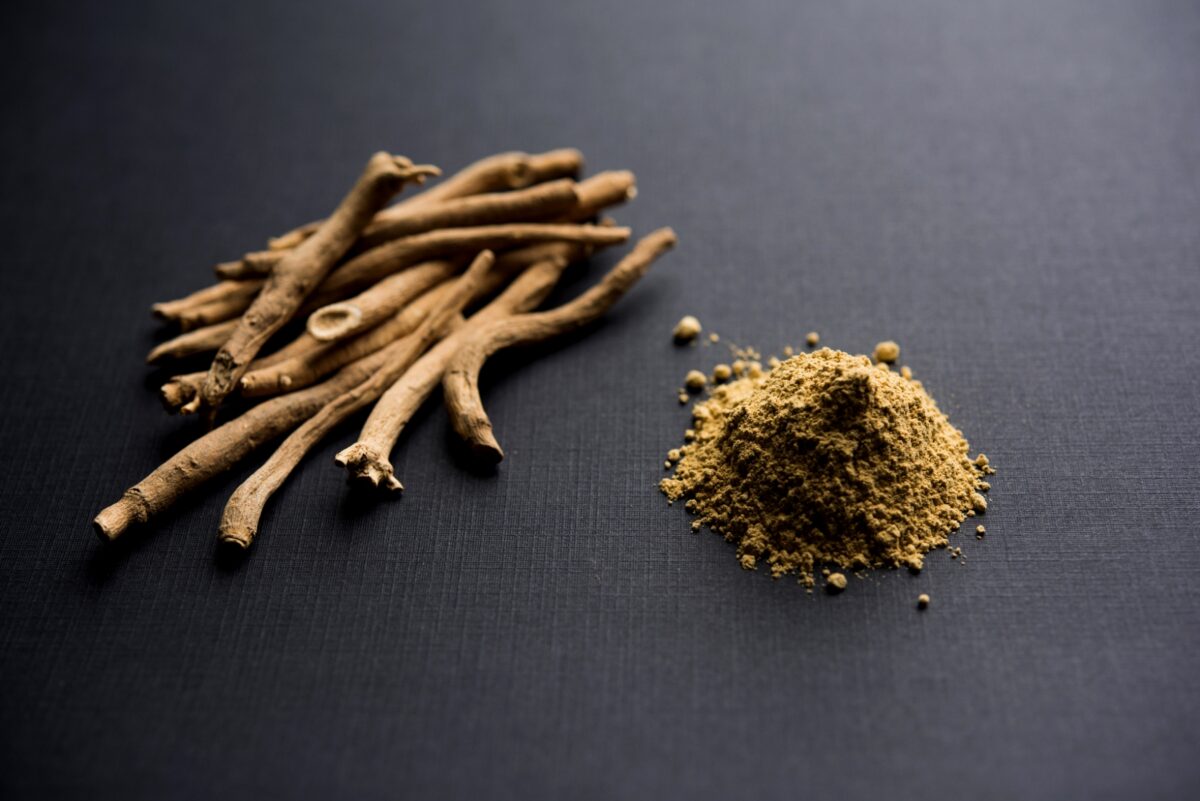
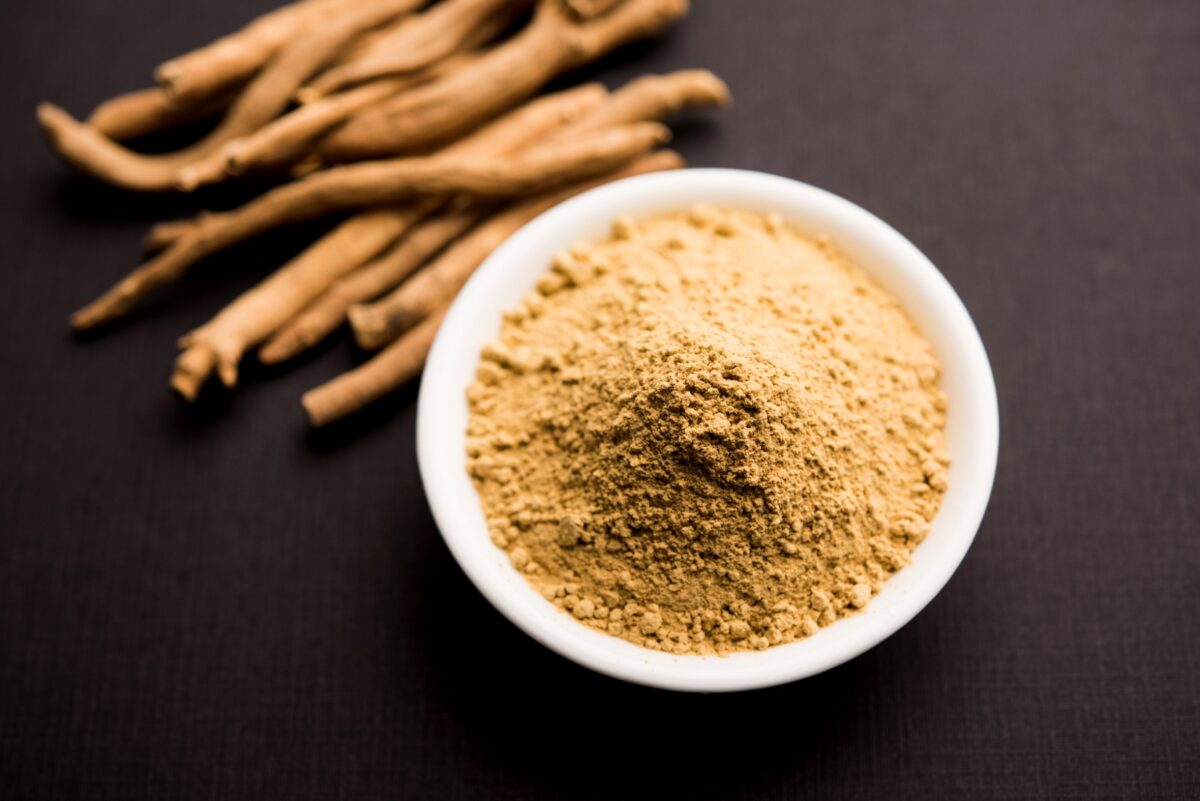
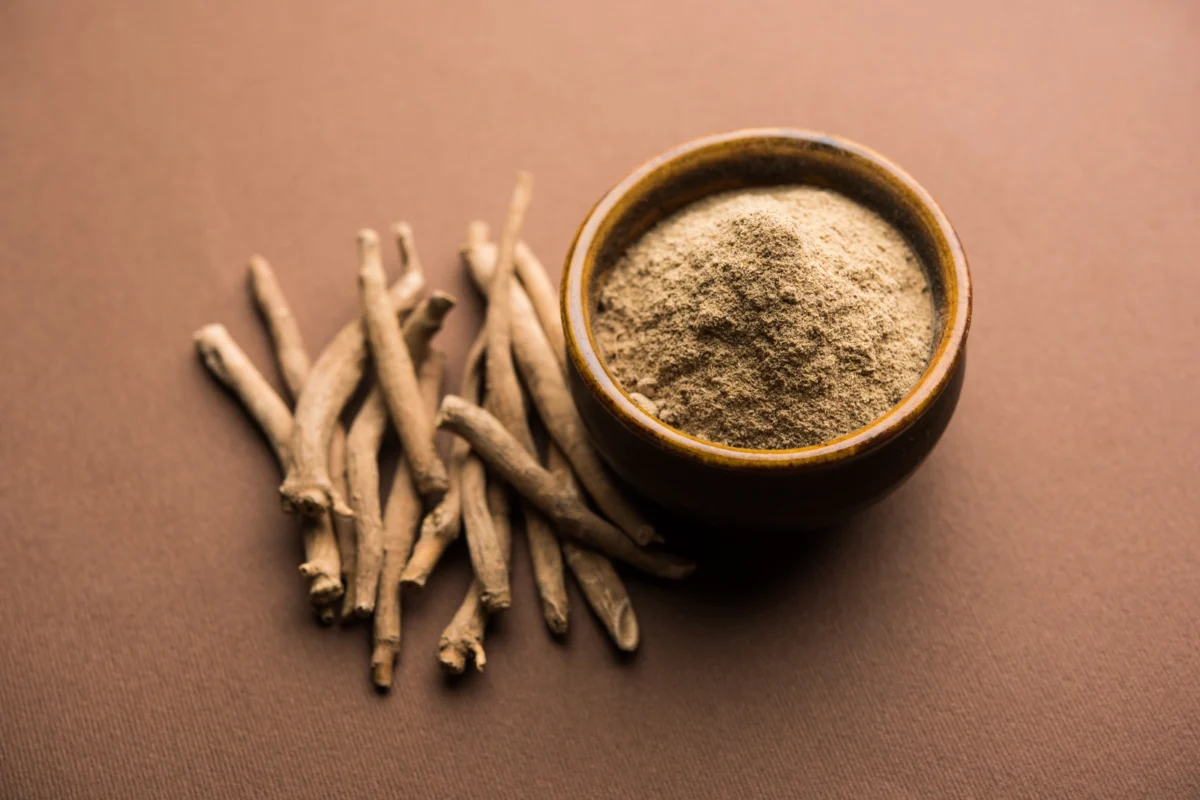
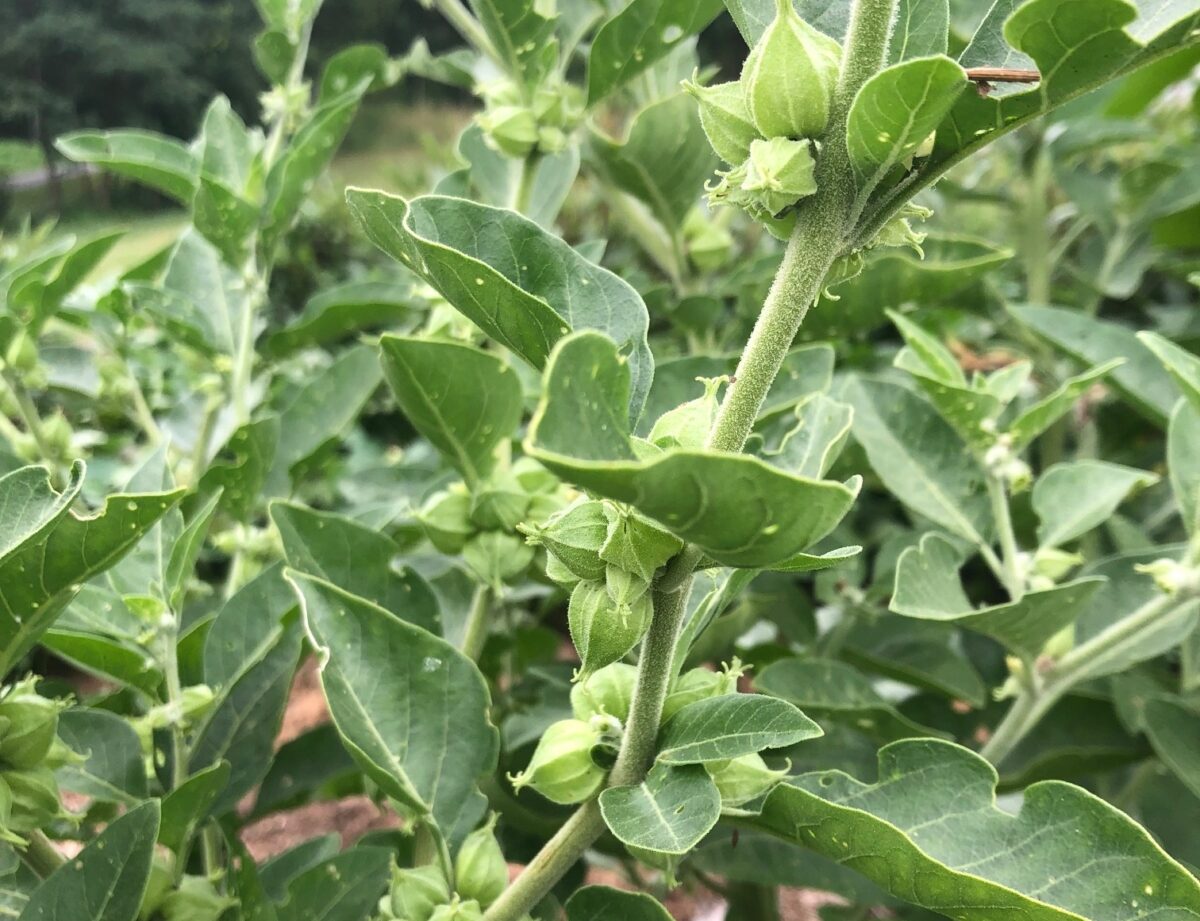
Ashwagandha is a small shrub with yellow flowers and a potent root known for multiple health benefits. Ashwagandha or ‘Withania Somnifera,’ grows in warm temperatures in the dry regions of India, the Middle East, and parts of Africa. It is commonly referred to as ‘Indian Ginseng” or “King of Ayurvedic herbs,” and its use can be dated back to around 6,000 BC. This medicinal herb has been used in India and Pakistan and has impressed the Chinese medicine system for centuries. Ashwagandha is known to improve brain function, boost energy, and reduce stress and anxiety. Known as the “Prince of Herbs” in Ayurveda, its roots are used internally, while its leaves are used topically.

Benefits of Ashwagandha

Ashwagandha is a medicinal shrub with yellow flowers and a potent root known for multiple health benefits. It grows in warm temperatures in the dry regions of India, the Middle East, and parts of Africa and is commonly referred to as ‘Indian Ginseng” or “King of Ayurvedic herbs”. Ashwagandha’s use can be dated back to around 6,000 BC. Ashwagandha is an adaptogen with powerful health benefits such as improved brain function, fertility, athletic performance, sleep, and more. It contains several beneficial bioactive compounds, including Withanolides that have anti-inflammatory and antioxidant effects.

The bioactive compounds in Ashwagandha include alkaloids, steroidal lactones, and saponins. This medicinal herb has been used in India and Pakistan and has impressed the Chinese medicine system for centuries. Known as the “Prince of Herbs” in Ayurveda, its roots are used internally, while its leaves are used topically. At Organic Mushrooms, we offer Ashwagandha as a nutritional supplement in the form of extract powder, capsules, tinctures and gummies. Let us look at some of the benefits offered by regular consumption of Ashwagandha:

  • Helps in improving brain function
  • Ashwagandha helps with better and restful sleep
  • Relief from stress and anxiety
  • Fights cancer by limiting the activity of cancer cells
  • Used in supplement cancer therapies
  • Boosts Immunity
  • Helps slow, stop, and possibly reverse certain types of nerve cell damage.
  • Helps in case of arthritis, offers relief from joint pain
  • Improves energy and exercise performance
  • Improves cardiovascular health
  • Improves sperm count, volume, and motility

Ashwagandha is a powerhouse when it comes to essential nutrition. It is recommended to consume up to 1 gram of Ashwagandha per day for as long as three months. Each of our capsules is equivalent to 500mg of Ashwagandha extracts and each gummy and tincture equals one gram of Ashwagandha extracts. Half a teaspoon is equivalent to 1 gram of Ashwagandha extracts.

More than suggested consumption might lead to side effects such as an upset stomach upset, feeling of nausea or vomiting, diarrhea, drowsiness and headache. Talk to your doctor before taking any herbal supplement if it could cause any problems with your existing medications.

0
    0
    Your Cart
    Your cart is emptyReturn to Shop