
Search

Functional Mushrooms – A Natural Way to Reset for the New Year

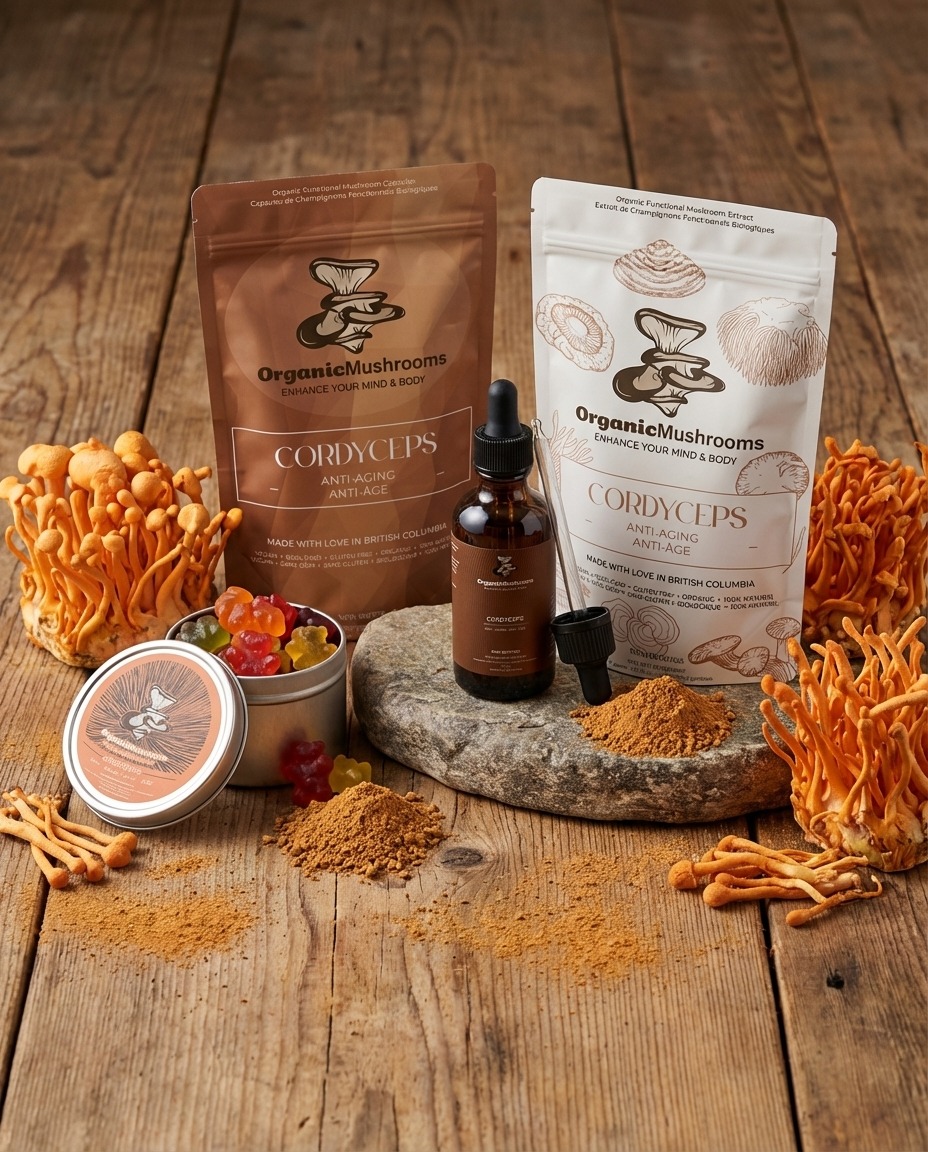
The start of a new year often brings a desire to reset—simplifying routines, being more intentional, and choosing habits that feel grounded and sustainable. For many people, this reset isn’t about extremes, but about small, thoughtful changes that support everyday wellness. That’s where functional mushrooms have found their place in modern routines.

What Are Functional Mushrooms?

Functional mushrooms are varieties traditionally used beyond the kitchen, often incorporated into teas, powders, extracts, or gummies. Unlike culinary mushrooms, these are selected for their unique compounds and unique health benefits.

Some of the most well-known functional mushrooms include Reishi, Lion’s Mane, Chaga, and Cordyceps. Each has its own story, tradition, and role in holistic routines, making them a versatile option for people looking to refresh their habits in the new year.

Why the New Year Is the Perfect Time to Revisit Your Routine

January is often less about adding more and more, and more about refining what already exists. Functional mushrooms fit naturally into this mindset. They don’t require a dramatic lifestyle overhaul—just a small, consistent presence in your day.

Whether added to a morning beverage, taken as a gummy, or taken before bed as a capsule, functional mushrooms can be a gentle way to support overall health and wellness.

A Slower, More Intentional Approach to Wellness

One of the reasons functional mushrooms continue to grow in popularity is their alignment with a slower, more mindful approach to wellness. Instead of focusing on instant results, they’re often appreciated for how they fit into routines built over time.

Making Functional Mushrooms Part of Everyday Life

Incorporating functional mushrooms doesn’t have to be complicated. Many people choose formats that fit seamlessly into their existing routines, whether that’s powders, capsules, or gummies. The key is finding a format that feels easy and enjoyable.

By keeping things simple, functional mushrooms can become part of a daily rhythm rather than another item on a long wellness checklist.

Starting the Year with Thoughtful Choices

A new year reset doesn’t have to be loud or dramatic. Sometimes it’s as simple as choosing ingredients with history, purpose, and versatility. Functional mushrooms offer a way to reconnect with traditional practices while fitting comfortably into modern life.

For more information on functional mushrooms, their traditional uses, and to learn more about Organic Mushrooms, explore our blog.
Why Functional Mushroom Gummies are the Perfect Holiday Gift

The holiday season is all about giving thoughtful, unique gifts that show you care — and this year, functional mushroom gummies are topping the list of delightful presents for everyone on your list. Whether you’re shopping for wellness enthusiasts, busy professionals, or health‑focused loved ones, mushroom gummies offer a delicious and practical way to support seasonal well‑being.

One of the biggest reasons mushroom gummies make such a great gift is how enjoyable and easy they are to take. Unlike capsules or powders, gummies are flavourful, fun, and feel like a sweet treat — making them ideal for anyone, even those who are new to functional mushroom supplements. They’re a simple and delicious way to introduce friends and family to the benefits of organic, mushroom‑based wellness without any fuss.

During the holidays, many people feel stretched thin with busy schedules and colder weather. Functional mushroom gummies can help support immune health, provide gentle stress relief, and boost overall vitality — all in a convenient daily form. For example, our Daily VitaMush Gummies combine five powerful mushrooms like Lion’s Mane, Reishi, Cordyceps, Turkey Tail, and Shiitake into one tasty gummy. This blend is designed to support cognitive function, energy metabolism, and adaptability to stress — perfect as a thoughtful gift for someone who juggles work, family, and festive fun.

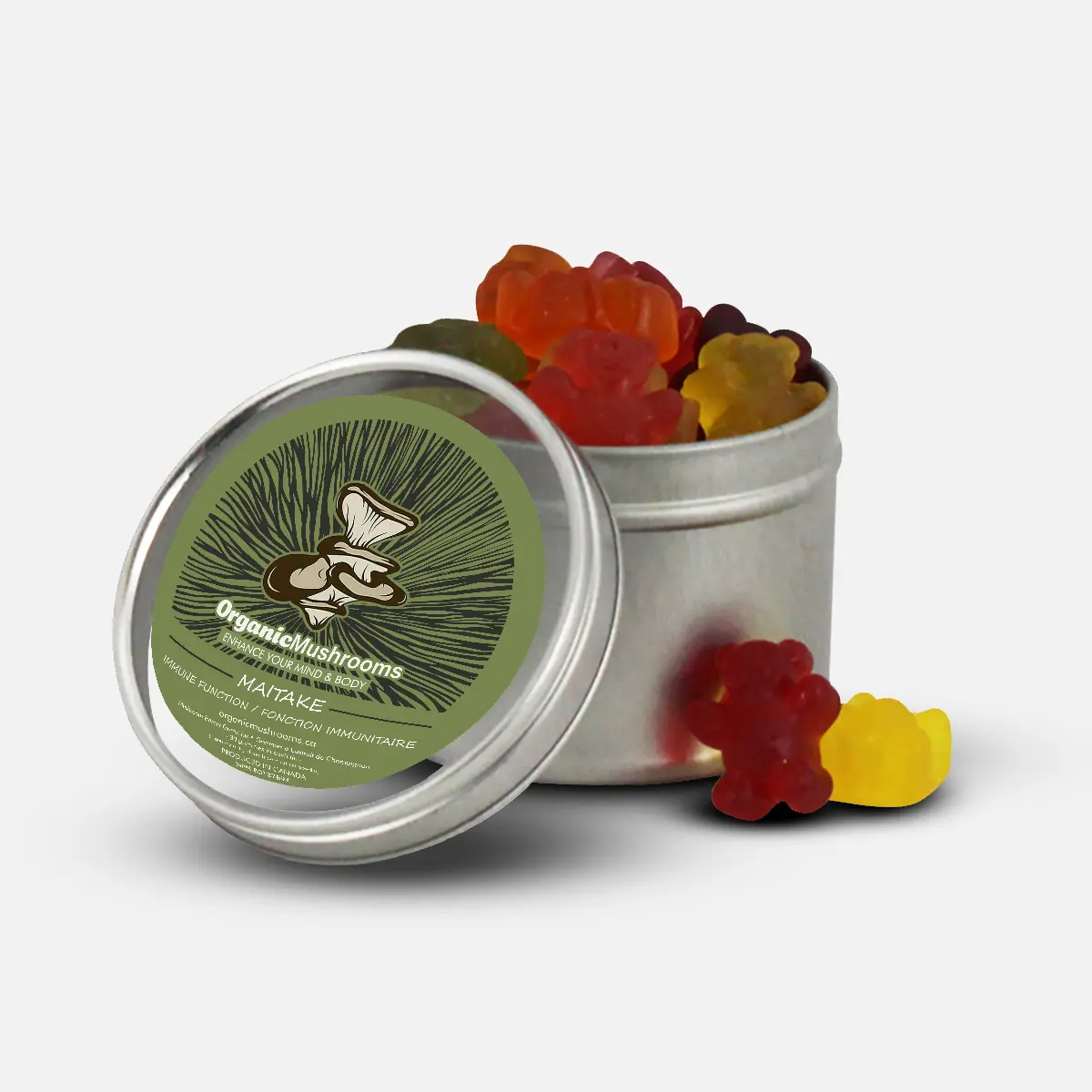
For those who want to focus on specific wellness goals, gifting a selection of mushroom gummies adds a personal touch. Reishi gummies are known for their calming and restorative qualities — ideal for busy holiday periods — while Shiitake and Maitake varieties offer immune support and antioxidant‑rich nourishment to help loved ones stay resilient through winter.

Another benefit? Mushroom gummies are beautifully suited to holiday giving because they feel good to open, try, and share. Packaged in jars that are easy to gift wrap, they offer a delightful surprise under the tree, in a seasonal stocking, or tucked into a wellness gift basket filled with relaxation teas, cozy socks, and self‑care treats.

This year, tap into the growing trend of wellness‑focused gifting with functional mushroom gummies — a present that supports health, brings joy, and adds a tasty twist to holiday traditions. From friends to family members and even Secret Santa exchanges, these gummies make meaningful gifts that keep on giving long after the holiday lights come down. Visit our Gummies page for more information.

Statements in this post have not been evaluated by the Food and Drug Administration. These products are not intended to diagnose, treat, cure or prevent any disease.

Lions Mane and Cognitive Function

Functional mushrooms have become increasingly visible in conversations around food, wellness, and everyday routines. Among them, Lion’s Mane mushroom has attracted particular attention for its traditional use and its presence in modern products such as powders, capsules, and extracts. As interest grows, so does discussion around what Lion’s Mane may be associated with—especially when it comes to cognitive function. It’s important to approach these conversations thoughtfully, distinguishing between claims, research exploration, and proven outcomes.

What Is Lion’s Mane?

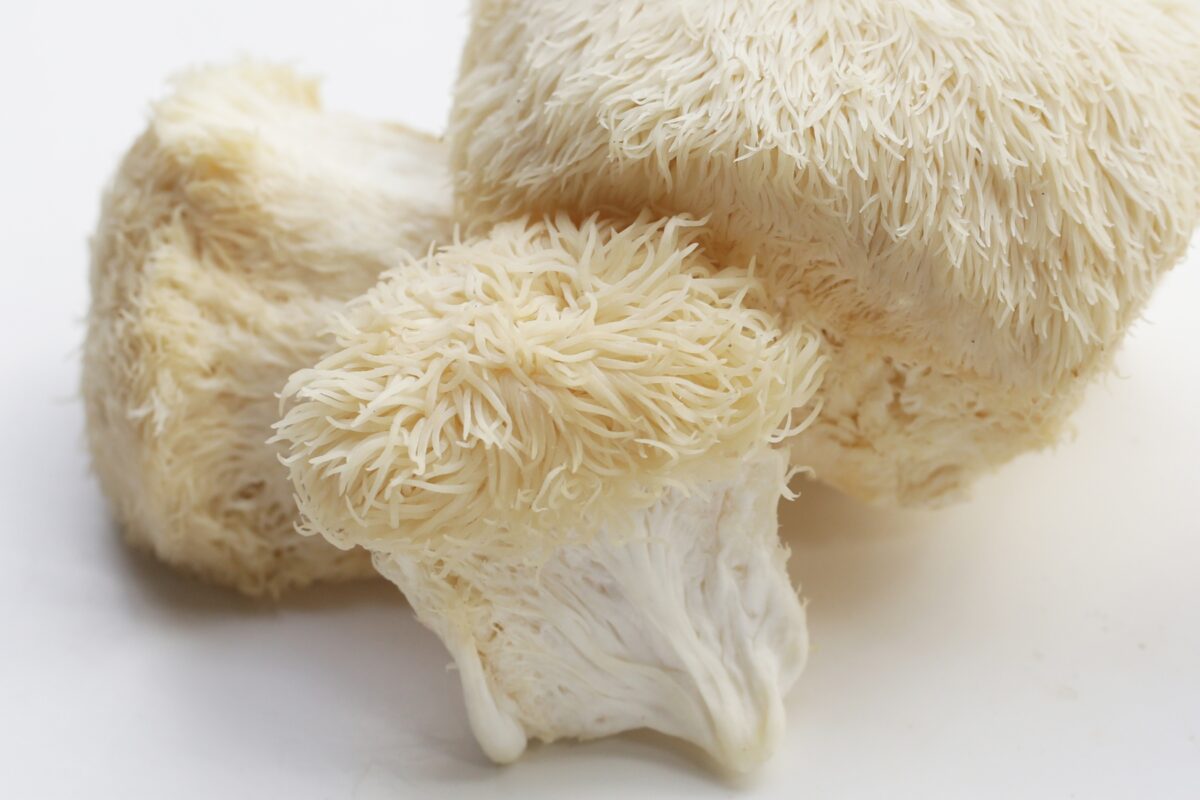
Lion’s Mane is a distinctive-looking mushroom known for its cascading, white, hair-like structure that resembles a lion’s mane—hence its name. Scientifically referred to as Hericium erinaceus, this mushroom has been used for centuries in culinary and traditional contexts and has more recently gained attention in the functional mushroom space.

Today, Lion’s Mane is commonly found in various formats, including powders, capsules, extracts, and food products, making it accessible to a wide range of consumers interested in mushrooms beyond the kitchen. It is also a key focus of scientific research, with studies exploring commonly discussed claims and examining what current evidence does and does not support.

Research Exploring Lion’s Mane and Cognitive Function

A pilot study titled The Acute and Chronic Effects of Lion’s Mane Mushroom Supplementation on Cognitive Function, Stress and Mood in Young Adults examined how Lion’s Mane supplementation was associated with various cognitive and psychological measures over both short-term and longer-term periods.

The study was conducted using a double-blind, parallel-groups design, meaning neither participants nor researchers knew who received the Lion’s Mane supplement or the placebo during the trial. Researchers assessed cognitive performance, mood-related measures, and perceived stress levels in young adults at different points throughout the study.

Rather than focusing on medical outcomes, the research aimed to observe patterns, changes, and potential associations that could help guide future, larger-scale studies.

Study Conclusions

The researchers concluded that Lion’s Mane supplementation showed observable differences in certain measured outcomes when compared to placebo, particularly in specific cognitive tasks and self-reported measures.

The study authors noted that further research with larger participant groups, longer durations, and refined methodologies would be required to better understand these observations.

Conclusion

Interest in Lion’s Mane continues to grow, not because of definitive answers, but because of ongoing curiosity and emerging research. At Organic Mushrooms, we believe in sharing information responsibly—highlighting research papers and letting you decide for yourself. As scientific exploration continues, Lion’s Mane remains an intriguing subject within the broader world of functional mushrooms, valued for its history, versatility and potential effects on the body and cognitive function.

For more information on functional mushrooms, check out our blog!

Scientific Research on Maitake

Disclaimer: Any references to effects or properties of mushrooms in this article are taken from scientific research and the source material and do not constitute health claims for humans.

Maitake mushrooms have gained attention for their potential influence on various biological processes. While much of the interest comes from traditional use and modern curiosity, scientific research continues to explore how maitake may interact with the body. One notable animal study examined its relationship to liver and serum lipids, offering insight into how maitake may affect certain metabolic markers.

What Is Maitake?

Maitake (Grifola frondosa) is a mushroom valued in many cultures for both culinary qualities and historical wellness traditions. Often found growing at the base of oak trees, this mushroom is rich in polysaccharides, beta-glucans, and other naturally occurring compounds that have sparked scientific interest.

Study: The effect of maitake mushrooms on liver and serum lipids

The study titled: The effect of maitake mushrooms on liver and serum lipids aimed to evaluate how maitake mushrooms might influence the rise of liver and serum lipids in rats. Researchers used Sprague-Dawley rats with hyperlipidemia to compare cholesterol, phospholipid, and triglyceride levels between animals fed a standard cholesterol-rich diet and those whose diet included 20% dried maitake powder.

The findings showed that rats receiving maitake consistently had lower values than those on the basic cholesterol diet. Additionally, levels of high-density lipoprotein cholesterol—typically reduced when consuming high-cholesterol feed—remained stable at their initial levels. The rats given maitake also had significantly lower liver weights and smaller epididymal fat pads compared to the group fed only the basic diet.

Based on these results, the researchers observed that maitake mushrooms appeared to influence lipid metabolism in this rat model by limiting both liver lipid buildup and rises in serum lipids. They suggested that further research is needed to better understand how maitake works and to determine whether similar effects occur in humans.

Results of the Study

The study reported several key observations in the maitake-fed group of rats:

  • Lipid-related values (cholesterol, phospholipids, triglycerides) were consistently lower than in rats receiving only the cholesterol-rich diet.
  • HDL cholesterol levels stayed close to the baseline, instead of dropping as typically expected with high-cholesterol feeding.
  • Liver weight and fat pad size were reduced when compared to the control group.

These findings highlight notable differences between the two groups under the same experimental conditions.

Conclusion

In this animal study, maitake mushrooms were associated with measurable differences in lipid-related markers and tissue weight. While these results are specific to the rat model tested, they provide a foundation for continued research. The authors emphasize the importance of additional studies to clarify maitake’s mechanisms and to explore whether similar outcomes may be observed in human trials.

For more information on scientific studies involving functional mushrooms, visit our Research Hub, where you’ll find links to additional research on every functional mushroom we offer.

Ashwagandha Research on Stress & Cortisol

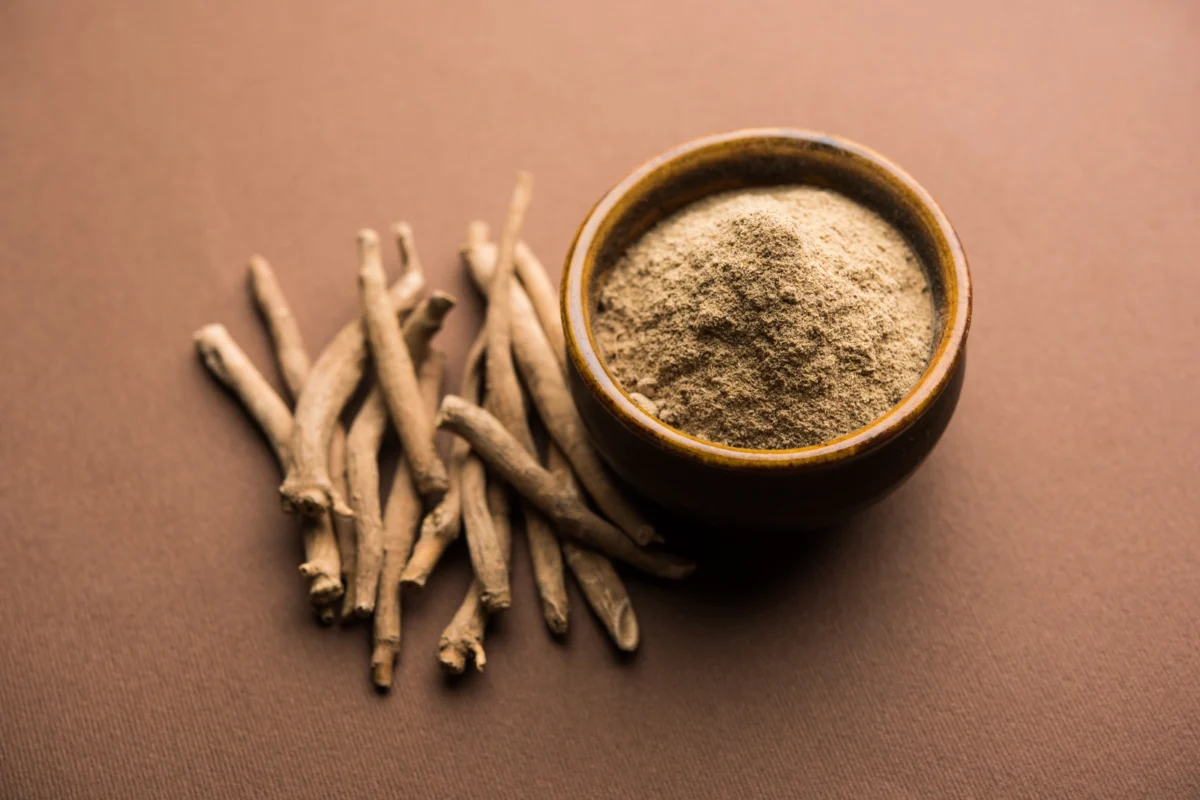
In today’s fast-paced world, stress has become a regular part of daily life. Deadlines, responsibilities, and constant connectivity can take a toll on mental and physical health. While lifestyle strategies like exercise, meditation, and sleep are crucial, many people are also looking for natural supplements to help manage stress more effectively. One such supplement gaining attention is Ashwagandha, a traditional herb from Ayurvedic medicine, long celebrated for its calming and restorative properties.

Recent scientific research is now validating what traditional medicine has suggested for centuries: Ashwagandha may help regulate the body’s stress response by affecting cortisol, the hormone responsible for stress regulation.

What is Ashwagandha?

Ashwagandha, also known as Withania somnifera, is classified as an adaptogen. Adaptogens are natural compounds that help the body maintain balance and adapt to stress. Unlike stimulants or sedatives, adaptogens work gently, supporting the body’s own systems rather than artificially altering them.

Traditionally, Ashwagandha has been used to improve energy, enhance mental clarity, promote calm, and support overall wellness. Today, it is widely available as a dietary supplement in various forms, including capsules, powders, and tinctures.

Understanding Cortisol and Stress

Cortisol is a hormone produced by the adrenal glands and plays a key role in how the body responds to stress. While cortisol is essential for normal body function, elevated or prolonged levels due to chronic stress can negatively affect mood, energy, and overall health. Reducing excessive cortisol levels can help the body maintain balance and improve overall well-being.

This is where Ashwagandha comes in. Researchers have investigated how this adaptogenic herb may support cortisol regulation in stressed individuals, providing a scientific basis for its traditional use.

The Study Setup

A recent systematic review examined the effects of Ashwagandha on cortisol levels in stressed human participants. The review analyzed 9 clinical studies where participants took Ashwagandha supplements over periods ranging from 30 to 112 days.

The studies included adults experiencing stress due to work, lifestyle, or other factors. Participants were monitored for changes in cortisol levels, measured either in blood or saliva. Different doses and formulations of Ashwagandha were tested, allowing researchers to observe the herb’s effects across a variety of conditions.

What the Research Found

The findings across the studies were consistent and encouraging: Ashwagandha supplementation was associated with significant reductions in cortisol levels. Reported reductions ranged from approximately 11% to 32% from baseline.

Some studies indicated a dose-dependent relationship, meaning that higher doses of Ashwagandha led to larger decreases in cortisol. This suggests that dosage and formulation may influence the degree of stress relief experienced by participants.

Importantly, participants generally tolerated Ashwagandha very well, with no serious adverse effects reported during the study periods. This supports its use as a safe, natural option for stress support.

Why These Findings Matter

Lowering cortisol through natural means can have multiple benefits. By helping the body respond more effectively to stress, Ashwagandha may support:

  • Calm and relaxation: Reducing the physiological response to stress can help improve mood and mental clarity.
  • Energy balance: Proper cortisol regulation helps maintain energy levels throughout the day.
  • Overall wellness: Supporting stress management can have positive effects on sleep, focus, and daily performance.

For people who feel the effects of daily stress, Ashwagandha may offer a natural, science-backed way to help the body regain balance and resilience.

To learn more about Ashwagandha, explore the scientific research, and discover other functional mushrooms, visit our Research Hub for more information!

0
    0
    Your Cart
    Your cart is emptyReturn to Shop