Search

Functional Mushroom Trends Emerging in Europe and Asia

There’s no doubt that in North America, functional mushrooms are a fast-growing part of the wellness industry. New products and companies are constantly popping up, offering innovative ways to supplement with functional mushrooms, providing new convenience and ease of use. But is the same happening in Europe and Asia as is in North America? In today’s blog post, we are going to dive into the functional mushroom industry in Europe and Asia to see if their growth differs from ours here.

A Strong Tradition of Mushroom Use in Asia

Asia has long been a hub for functional mushrooms, especially in countries like China, Japan, and Korea. Traditional medicinal uses of mushrooms like Reishi, Shiitake, and Cordyceps date back thousands of years in Asian cultures. These mushrooms have been cherished for their ability to support vitality and well-being, especially in Traditional Chinese Medicine (TCM).

In recent years, however, there has been a significant shift as Western wellness trends have collided with ancient practices. The modern mushroom boom in Asia is being fueled not only by traditional beliefs but also by the growing demand for natural, plant-based products in food, beverages, and supplements. Today, mushrooms like Lion’s Mane, Chaga, and Turkey Tail are starting to gain traction in new forms like capsules, teas, and even functional chocolate bars, mirroring trends seen in the U.S. and Canada.

In Japan, for example, there’s a rise in functional mushroom-infused teas and coffees, with many manufacturers highlighting the mental clarity and cognitive benefits of mushrooms like Lion’s Mane. Similarly, Korean wellness brands have embraced mushrooms in beauty and skincare products, leveraging the known antioxidant properties of fungi to improve skin health.

Europe’s Rising Interest in Functional Mushrooms

In Europe, the trend is relatively new but growing fast. As people seek out more natural alternatives to support overall health, functional mushrooms are becoming a mainstream ingredient in wellness products across the continent. The trend is especially noticeable in the UK, Germany, and the Netherlands, where the market for organic supplements is booming.

Many European consumers are already familiar with adaptogens and herbal remedies, and functional mushrooms fit seamlessly into this growing interest in plant-based and holistic solutions. Mushroom-based supplements, like capsules and powders, are increasingly appearing on health food store shelves, catering to an audience that values sustainability, clean ingredients, and transparency.

Interestingly, Europe has also seen the emergence of functional mushroom-infused food and beverages. Mushroom coffee blends are becoming popular, as well as mushroom-infused snacks, smoothies, and even plant-based protein bars that combine functional mushrooms with other superfoods. Some European manufacturers are also experimenting with mushroom-based dairy alternatives, offering mushroom-infused plant milks and yogurts as more sustainable and nutritious options.

Mushroom-Infused Beverages: A Common Trend in Both Regions

The popularity of mushroom-infused beverages is something both Asia and Europe have in common, and this trend is showing no signs of slowing down. In Asia, particularly Japan and South Korea, mushroom-infused coffee and teas are the go-to choice for wellness enthusiasts. Reishi and Cordyceps are often included in these beverages for their reputation of supporting stamina and relaxation.

In Europe, mushroom coffee blends are especially gaining traction among health-conscious coffee drinkers who want a smoother, less jittery alternative to regular caffeine. Companies in both regions are using mushrooms like Lion’s Mane for mental clarity and focus, Reishi for relaxation, and Chaga for its antioxidant properties. Many of these beverages are marketed as functional drinks that help improve energy levels, support cognitive function, or aid in relaxation, though it’s important to note that these benefits can vary from person to person.

The Rise of Functional Mushroom Beauty Products

While North America has also begun experimenting with mushroom-based beauty products, Asia and Europe are seeing a surge in the inclusion of mushrooms in skincare and cosmetics. In South Korea, beauty trends are often ahead of the curve, and mushroom extracts have made their way into moisturizers, serums, and face masks.

Final Thoughts

At this point, functional mushrooms are past just being a trend; they are an integral part of the wellness industry in North America, Europe, and Asia. Individuals are incorporating them into their daily routine through new, innovative products like functional mushroom teas, chocolate bars, and even dairy-based products. It’s clear functional mushrooms are here to stay, and it seems no matter where you are in the world, you can still supplement with them.

If you enjoyed learning about the functional mushroom trends in Europe and Asia, check out our other blog posts, where we dive into other interesting topics just like this one.
A Beginner’s Guide to Mushroom Supplements

Starting your wellness journey with functional mushrooms can be daunting for some people. Knowing when to take them, what supplements to take, and what form to take them in are just a few of the many concerns beginners tend to have. In this blog post, we are going to create a simple guide to make functional mushroom supplementation as easy as possible for beginners.

Which Form of Mushroom Supplement Should You Take?

When it comes to taking mushroom supplements, the form can make a huge difference in how easy and enjoyable the experience is. Among the various options—capsules, powders, and tinctures—gummies are one of the most popular and user-friendly choices, especially for beginners.

Why gummies? They offer a fun and tasty way to get your daily dose of mushrooms. Organic Mushroom Gummies, in particular, are often made with high-quality ingredients, providing an easy and enjoyable way to integrate these superfoods into your routine. Plus, gummies are portable, easy to consume on-the-go, and tend to have fewer fillers than some other supplement options. They also help take the guesswork out of dosing, as each gummy is carefully crafted to deliver a precise amount of the active ingredient.

If you’re someone who struggles with swallowing pills or powders, gummies are the perfect way to start.

When is the Best Time to Take Mushroom Supplements?

The time of day you choose to take your mushroom supplements can make a difference in how well you integrate them into your daily routine. The truth is, there’s no universally “best” time to take them—it’s more about finding a time that fits your lifestyle and helps you establish a consistent habit.

For most people, taking mushroom supplements with meals is a good practice. This can help ensure the supplement is well absorbed while also making it easier to remember. You can consider taking them during breakfast to kickstart your day or at dinner as part of your wind-down routine. Establishing a time that works for you will build consistency, and consistency is key to getting the most out of any supplement.

Additionally, some prefer taking them in the morning for a gentle boost throughout the day, while others find that taking them in the evening provides a calming effect. Experiment a little to see how your body responds, and soon you’ll have a time of day that feels best for you.

How Much Should You Take? The Right Dosage

One of the most important aspects of taking mushroom supplements is getting the dosage right. Thankfully, Organic Mushroom Gummies make it easy to control your intake. For many mushroom gummy supplements, including those made by Organic Mushrooms, the standard dosage is typically one gummy per day (1 gram).

Each gummy is formulated to provide an optimal amount of active ingredients from the mushrooms, so there’s no need to worry about measuring powders or worrying if you’re taking too much. For beginners, starting with one gummy per day is usually sufficient and allows your body to adjust to the supplement. If you feel comfortable, you can always adjust based on your needs, but always stick to the manufacturer’s recommended serving size unless otherwise directed by a healthcare professional.

When it comes to dosages, remember that consistency matters more than quantity. Stick to your daily routine, and in time, you may notice the benefits of these mushroom supplements as part of your wellness regimen.

Helpful Tips for Taking Mushroom Supplements

Here are a few simple tips to help you get the most out of your mushroom supplement routine:

  1. Stay Consistent: Like most supplements, consistency is key to seeing potential benefits. Incorporate your mushroom gummies into a daily habit, like taking them at the same time each day, so you’re more likely to remember.
  2. Pair with a Healthy Diet: Mushroom supplements can complement your wellness routine, but they work best when paired with a healthy diet. Incorporating a variety of nutrient-rich foods alongside your supplements is always a good idea.
  3. Hydrate: Drink plenty of water throughout the day to support your body’s natural processes and ensure that your supplements are being properly absorbed.
  4. Listen to Your Body: Everyone’s body reacts differently to supplements. If you experience any unusual symptoms or discomfort, it’s always a good idea to stop using the product and consult with a healthcare provider.
  5. Store Properly: Keep your mushroom gummies in a cool, dry place, away from sunlight and humidity. Proper storage ensures the freshness and potency of your supplements.
  6. Choose a Quality Brand: Not all mushroom supplements are created equal. Look for brands that prioritize organic ingredients, transparency, and quality sourcing. Organic Mushrooms, for example, are committed to providing high-quality, organic mushroom-based supplements to ensure you get the best possible product.

Organic Mushrooms – Our Way

At Organic Mushrooms, we are committed to providing our customers with the purest form of functional mushrooms possible. That’s why we offer 100% organic functional mushrooms that are Canadian-grown and sourced. Whether you are just starting out or have been supplementing with functional mushrooms for years, our products are specifically designed to support you and your wellness journey. Our products are free from fillers and additives, ensuring that you get what you pay for. Contact us today for more information about our products.

The 1970s Mushroom Boom – What Sparked the First Wave of Interest?

Today, functional mushrooms are seen everywhere. New companies selling functional mushroom products are constantly popping up, and more and more articles continue to pour out about them. This all begs the question: when did this all start, and what first sparked the wave of interest in functional mushrooms? In today’s blog post, we are going to explore the 1970s mushroom boom and how it sparked modern interest in both the scientific community and the wellness industry.

The Rise of Alternative Health

In the 1970s, there was a growing shift toward alternative health practices, with more people questioning conventional medicine. As the wellness movement began to take shape, people turned to natural remedies, including mushrooms. In particular, reishi, shiitake, and maitake were used in Traditional Chinese Medicine (TCM) for their health-boosting properties, and this knowledge began to spread to the West.

Early Scientific Interest

Alongside cultural shifts, the 1970s also saw the beginning of scientific research into the medicinal properties of mushrooms. Early studies focused on polysaccharides— a key compound found in mushrooms. Although much of the research was preliminary, it sparked curiosity about the health benefits of these fungi.

Health Food Stores and Growing Awareness

As health food stores gained popularity during this time, functional mushrooms started to appear in niche markets. Consumers looking for natural alternatives to pharmaceutical products began exploring mushrooms like reishi for their immune-supportive properties. Books and articles began to spread knowledge, and while claims that mushrooms could cure chronic diseases were not scientifically backed, the interest in their health benefits continued to grow.

Legacy of the 1970s Mushroom Boom

While the functional mushroom movement didn’t become mainstream until much later, the 1970s set the stage for the explosion of interest we see today. Early exposure to functional mushrooms in health food stores, along with increasing scientific attention, planted the seeds for future growth in the wellness sector. Today, functional mushrooms are recognized for their potential benefits, from immune support to cognitive enhancement.

Conclusion

The 1970s was a pivotal time for functional mushrooms. With growing exposure to the West and their inclusion in local health food stores, word about these little gems began to spread rapidly. Although, at the time, there were few scientific studies to back up the claims floating around about them, they still gained traction among individuals looking for natural alternatives to modern medicine. Fast forward to today, and functional mushrooms are everywhere. With countless studies showing promising results, the craze around these little mushrooms isn’t fading anytime soon—or at all.

If you enjoyed learning about the 1970s mushroom boom, check out our other blog posts, where we cover similar topics just like this one.

Why Colour Variation is Normal Between Different Batches of the Same Mushroom

In recent years, functional mushrooms have gained immense popularity among health-conscious consumers. These mushrooms are now featured in a variety of wellness products, including powders, capsules, and even gummies. As the trend grows rapidly, it’s only natural that consumers have more questions about both the products and the mushrooms behind them. In today’s blog post, we’ll address a common question among functional mushroom enthusiasts: Why does the colour vary between different batches of the same mushroom?

What Causes Colour Variation in Functional Mushrooms?

Functional mushrooms are harvested from nature and cultivated under a variety of conditions. Factors such as the substrate (material the mushroom grows on), growing environment (humidity, temperature, light exposure), and the mushroom’s age can all contribute to subtle differences in their appearance. These factors are often beyond the control of farmers, yet they play a key role in the colour of the mushroom.

  1. Natural Biological Variation
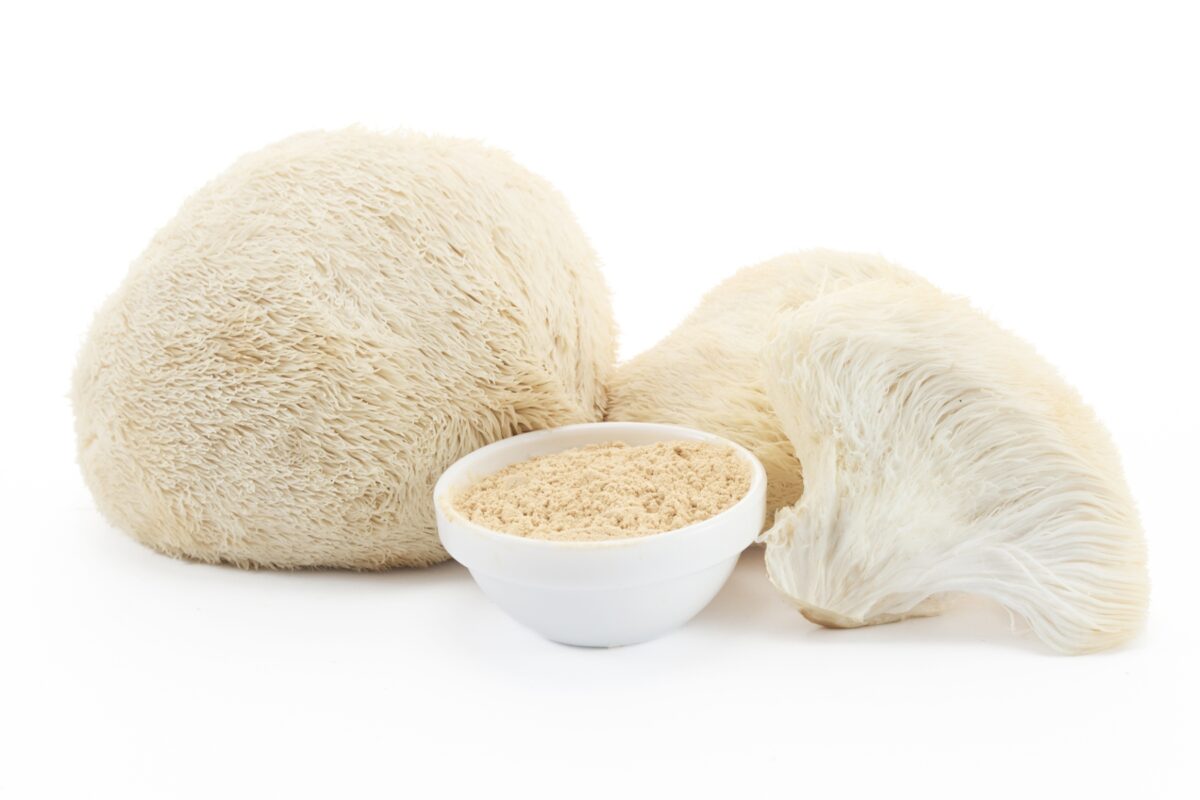
    Just like apples from the same tree can differ slightly in shade, each lion’s mane fruiting body is unique. Genetics within the strain can cause subtle differences in pigment intensity or the length and density of the spines, resulting in some mushrooms looking darker while others appear brighter.
  2. Substrate and Cultivation Methods
    The substrate—whether it’s wood, soil, or a specialized growing medium—can impact the mushroom’s pigmentation. Mushrooms absorb nutrients from their environment, and different substrates can influence the final colour of the fruiting body. Additionally, cultivation methods (such as controlled indoor environments or open-air farms) can contribute to colour differences. This is especially true for species like Reishi, which can change colour based on growth conditions, shifting from light golden hues to deeper red tones.
  3. Mushroom Maturity
    The age and stage of the mushroom at harvest can also affect its appearance. Younger mushrooms may appear lighter in colour, while more mature fruiting bodies can display darker, richer hues. As mushrooms continue to grow, their pigmentation may naturally change, but this doesn’t impact their active compounds.

Does Colour Affect Potency?

One of the most important points to emphasize is that colour variation does not impact the potency or effectiveness of the functional mushrooms. The active compounds found in functional mushrooms, such as beta-glucans, triterpenoids, and ergothioneine, are not influenced by the colour of the mushroom. These compounds are present regardless of whether the mushroom is lighter or darker in colour.

Potency is determined by factors such as the species of mushroom, the cultivation process, and how the mushrooms are processed and prepared. At Organic Mushrooms we use a 10:1 extraction ratio for all of our mushroom products. This means that for every 10 parts of raw mushroom material we process, 1 part of concentrated extract is produced, ensuring extreme potency.

Why Colour Variation Shouldn’t Be a Cause for Concern

Despite being an entirely natural phenomenon, some consumers may mistakenly believe that colour differences signify a change in the mushroom’s quality. It’s important to remember that colour in mushrooms, especially in functional varieties, is not a direct indicator of health benefits. What matters most is the quality of the mushroom and how it has been processed to retain its potency. As long as the mushrooms are harvested and handled properly, their effectiveness will remain intact regardless of colour.

If you are purchasing functional mushrooms from a trusted source, it’s highly unlikely that colour variations between batches would indicate any underlying problem. Instead, it’s simply a reflection of the natural growing process.

How to Choose the Best Functional Mushroom Products

To ensure you’re getting the highest quality functional mushrooms in products you purchase, here are a few tips:

  • Check for Lab Testing: Look for brands that provide lab reports or Certificates of Analysis (COA). These reports verify the potency of the mushrooms and ensure they meet quality standards. You can find our COA’s at our Transparency page on our website.
  • Read Consumer Reviews: Reviews from other customers can give you insight into the consistency and effectiveness of the product, regardless of its appearance.
  • Choose Trusted Brands: Reputable companies that specialize in functional mushrooms often have quality control measures in place to ensure that colour variation doesn’t affect the final product’s potency.

Conclusion

In summary, finding colour variations in mushroom products from the same batch is totally normal! These colour variations are due to factors like the growing process, mushroom maturity, and even the processing methods used to prepare mushrooms for products. So, next time you see a functional mushroom product with a slightly different colour than you remember, don’t worry, it’s just as potent and will function the same! 

If you want to learn more about functional mushrooms, what they are, and how you can start your functional mushroom journey, check out our blog page for more information!

Creative Ways to Use Mushroom Supplements

At Organic Mushrooms, we offer many different products in several convenient forms. We provide our products in gummies, tinctures, capsules, and powders, giving you the freedom to choose the form that best suits your lifestyle. Some of our products also allow for creative ways to supplement, especially with our powder and tincture products. In today’s blog post, we’re going to go over some creative ways to use our products.

Mushroom-Infused Coffee or Tea

Start your day with a boost by adding mushroom powder to your morning coffee or tea. This is a simple way to incorporate mushrooms into your routine. Whether you mix in lion’s mane for a new twist to your morning coffee or enjoy reishi with your evening tea, it’s a great way to blend mushrooms into your favorite beverages.

Add Mushroom Powders to Smoothies

Smoothies are an excellent way to sneak mushroom powders into your diet without noticing much difference in taste. Just add your preferred mushroom powder to a smoothie, and it’s an easy way to incorporate functional mushrooms into your day. Whether it’s cordyceps or lion’s mane, these powders blend seamlessly into any smoothie recipe.

Bake with Mushroom Powders

If you love to bake, consider adding mushroom powders to your recipes. You can include reishi or lion’s mane powder in cookies, muffins, or cakes. The best part? Mushroom powders are nearly tasteless, so they won’t alter the flavor of your favorite baked goods, but still let you enjoy the benefits of functional mushrooms.

Mushroom-Infused Salad Dressings

For something savory, try adding mushroom tinctures to your salad dressings. A few drops of turkey tail or reishi tinctures can easily be incorporated into vinaigrettes or marinades, giving a subtle depth of flavor to your meals without any extra effort.

Post-Workout Shake

If you’re into fitness, adding mushroom powder to your post-workout shake is an easy and effective way to continue your wellness routine after exercise. You can mix cordyceps or reishi powder into your protein shake to create a simple, effective way to round out your workout routine.

Make Mushroom-Infused Desserts

For a fun twist, try adding mushroom powders like chaga or reishi to your favorite desserts. You can blend them into ice cream, chocolate mousse, or energy balls. Mushroom powders can subtly enhance the flavors of your sweets, making it an easy way to include mushrooms in your diet.

Incorporate Mushrooms into Your Water

If you prefer water over other drinks, consider adding a few drops of mushroom tincture to your water throughout the day. Reishi or chaga tinctures mix easily into water and can be a refreshing and simple way to enjoy mushrooms while staying hydrated.

Conclusion

With a bit of creativity, you can incorporate powders and tinctures into just about anything. From water and baked goods, to beverages and salad dressings, you can sneak your mushroom supplements into every meal of the day! If you have more questions about our products and how to incorporate them into your everyday life, contact us today for more information.

0
    0
    Your Cart
    Your cart is emptyReturn to Shop